Personal style is about how someone dresses to show who they really are – clothes become a way to share inner traits. Instead of copying what’s popular, choose looks that feel true to you.
As someone grows, their fashion sense tends to shift step by step. In the beginning, they might test out different outfits, follow what’s popular, or sometimes pick things they later wish they hadn’t. With time, certain preferences start showing up – like favourite shades, shapes, or vibes that just feel right. A well-developed look sticks steady, stays true to self, even when fads come and go.
Wardrobe building means picking useful, well-made clothes instead of chasing fast fashion. A capsule setup encourages keeping fewer items – each picked on purpose – that mix easily, so you can create lots of looks without clutter. This cuts down stress when choosing what to wear, lowers clothing waste, and often boosts the overall quality of what’s worn.
Body positivity pushes back against old-fashioned looks pushed by fashion elites. Embracing different shapes, ages, or physical traits builds a fairer scene in clothing trends. Wearing what feels right – instead of chasing outdated norms – is where real flair begins.
Look to old-school trends, niche groups, famous folks, city vibes caught on camera, or online clips for outfit ideas. Still, there’s a gap between getting inspired and just copying – fit any look to your shape, routine, life situation instead of mirroring it straight up.
Fashion Photography and Visual Communication
Fashion photos tell stories about clothes, turning lifeless outfits into pictures that stir feelings. This kind of photography is a unique field that demands sharp skills mixed with imagination.
Fashion editorials show up in magazines or websites, focusing more on creativity than selling stuff. These photo sessions may feature bold looks, weird spots, or abstract ideas – making striking visuals no matter how impractical they seem. Design choices, outfits, cuts, cosmetics, plus backdrops work together to shape a story. Each element adds flavor without needing words.
Commercial fashion photos aim to make items look good for ads. Instead, e-commerce shots go for neat backdrops with several views that highlight clothing details. On the flip side, lookbooks show styled outfits in real-life scenes so shoppers can picture themselves using them. While creativity matters, practical needs often shape how images are made.
Fashion photos use tricks to catch your eye. Lines that guide the gaze focus on the person or outfit. Placing key parts off-center adds energy and harmony. Empty areas around the subject make it stand out more. A shallow depth of field pulls attention by blurring distractions. Knowing how to arrange elements pushes fashion shots past basic recording.
Lighting changes how a photo feels, plus it shapes the overall look in fashion shots. Outdoors, sunlight gives gentle tones – great for casual, everyday styles. In studios, lights can be tweaked to make bold shadows or smooth brightness. When the sun’s low, colors warm up, making skin glow while adding dreamy vibes. Knowing how to use light is what turns good photos into standout ones.
Street Style and Urban Fashion Culture
Everyday folks shape street style – no fancy catwalks needed. Snapshots grab how regular people dress, highlighting self-expression instead of brand names.
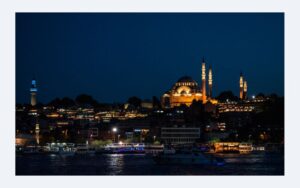
Major fashion hubs shape unique street looks based on culture and local taste. In Tokyo, outfits usually mix wild patterns in unexpected ways. Meanwhile, Nordic cities lean into clean lines using soft, quiet colors. Over in New York, people go for stylish yet usable clothing that works every day.
Subcultures shape street style by bringing bold looks that show who people are. Instead of playing it safe, punk fashion shook things up with raw, in-your-face designs. Thanks to hip-hop, everyday wear started showing up in high-profile trends. Meanwhile, skateboard scenes slipped loose fits and niche labels right into how we dress now.
Streetwear started underground, but now it’s everywhere – labels such as Supreme, Off-White, or Palace charge big money and pull massive attention. Drops are kept small on purpose, making people want them more; meanwhile, team-ups between street labels and high-end names mix up the old-fashioned order.
Photographers now gather in packs near runways during fashion weeks, snapping pics of what guests wear. Because of this, folks pick outfits thinking about those lenses waiting outside – style choices shaped by who’s watching. When images go viral, they shift trends fast, feeding a cycle that’s hard to ignore. But things feel less real when poses replace spontaneity, making some wonder if it’s still genuine or just a performance.
Fashion and Identity Formation
Fashion shapes who we are because folks show their gender through how they look, express culture via clothing choices, signal jobs by dressing a certain way, and also reveal group ties with unique styles.
These days, how people show their gender through clothes is getting more flexible as old-fashioned rules fade away. Instead of strict styles for men or women, shared wardrobes break down outdated ideas about who should wear what. Clothes are now seen less as a sign of biology but more as a way to express identity.
Professional clothes convey your job role and company vibe. Old-school offices adhered to stiff dress codes, whereas art-focused jobs allowed for a more relaxed approach. Business casual sits somewhere in between – trying to mix serious style with ease. Working from home shook things up since folks now wonder if suits are still needed.
Fashion shows who you are by using old-school clothes, meaningful patterns, or how you put outfits together. Because of their clothing picks, folks stay tied to roots – even when they’re miles away from where their families started. For sidelined communities, what they wear matters more – it’s a way to stand tall in their culture while pushing back on pressure to blend in.
These days, how folks dress by age isn’t so strict – people of all ages now wear looks once seen as only for the young. Instead of sticking to dull or safe choices, older shoppers want fresh trends, which brands are finally starting to notice. When ads show style at every life stage, it knocks down old ideas that cool clothes are just for youth.
Fashion Marketing and Brand Building
Fashion labels push through crowded spaces by using smart promotions that spark attention, create desire, and stay memorable. Looking into their promo tricks shows how they pull people in then keep them around. A brand’s look includes things like logos or colors, yet it also shows its core beliefs, character, and where it stands. Luxury names often focus on history, skill in making products, while setting themselves apart from others. Newer labels may lean into being easy to reach, along with staying up-to-date with what’s popular instead. Eco-conscious companies point out fair working conditions, plus care for nature, as key points. When a brand stays the same across every place you meet it, people remember it better and stick with it longer.
Influencer deals take up a big chunk of fashion budgets – brands team up with people whose look and fans match their own vibe. When it works well, it doesn’t seem forced; instead, the influencer naturally wears or uses the items. Smaller creators, though they have fewer followers, usually get stronger reactions compared to stars who’ve got tons of fans but little real interaction.
Fashion teams up in wild combos that get people talking. When high-end names hook up with street styles, it turns heads. Big mall stores teaming with fancy creators stir things up, too. Even pop stars linking with clothing lines make waves beyond their usual fans. Short runs fire up demand by making stuff hard to grab.
Folks snapping pics of themselves using your stuff? That fuels real-deal promotion – no scripts, no fluff. These shared moments spark a sense of belonging. Toss in a custom hashtag, so every post finds its way into one spot. When you spotlight those snaps on company pages, it’s like giving a nod to the crew who showed up. Real people, real shots – they hit harder than polished ads ever could.

Fashion Accessories and Styling
Outfits get a boost from extras – these pieces bring flair, plus they’re actually useful. Knowing how to use them turns basic looks into something way better.
Bags mix usefulness with looks – hold your stuff yet boost your vibe. A neat tote suggests you mean business; a sling bag’s great for laid-back days, while small evening pouches fit posh events, but packs are ideal when hauling gear matters. Picking sturdy ones pays off since they last longer than flashy throwaway styles, staying sharp year after year.
Jewellery brings shine and character, whether quiet touches or loud highlights. A fine piece stays classy without taking over, whereas dramatic ones grab attention first. Blending different metals breaks old norms since modern fashion likes mixed vibes. What matters most is the story – family keepsakes, special presents, or trinkets from trips are worth far more than price tags.
Footwear changes how useful and good an outfit looks. Good walking shoes let you move easily, whereas heels make you taller and more dressed up. Boots keep your feet dry in bad weather, yet still look sharp. Instead of sneakers being just for sports, they now fit into many settings thanks to their laid-back ease. The more ways a shoe can be worn with different clothes, the better it works overall.
Hats, scarves, or belts – each can shift a simple look fast when swapped around. Change your shades or buckle, and that same outfit feels totally new. Trying out styles? These small picks let you play without spending much cash – or sticking to big choices.
Fashion Education and Career Paths
The fashion world opens many doors, each needing different talents or training. Knowing your choices makes it easier to move forward when chasing a dream job.
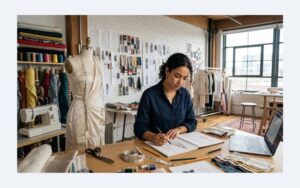
Fashion design stands out as the go-to job in fashion, yet it’s packed with rivals, and only a few really make it. Learning to design means picking up hands-on tricks – think sketching patterns or shaping fabric on mannequins – as well as growing your own flair by working on real pieces and putting together a solid collection of work. Newcomers usually start by helping seasoned names in the field, then maybe one day striking out on their own.
Fashion merchandising mixes creative thinking with smart business moves – picking items, handling stock levels, setting prices, and predicting what will sell. Instead of just designing clothes, these pros connect ideas to stores by deciding what gets sold where. They figure out which pieces make it onto shelves while shaping how things look on display. By balancing visual appeal with real-world demand, they help brands move goods more smoothly.
Fashion writing used to need a job at a magazine or paper, yet online spaces opened doors for more voices. Bloggers now post views that travel worldwide, but still earning from solo work is tough due to endless posts everywhere.
Choosing outfits means putting together clothes for different situations – say, photoshoots, stars on red carpets, ads, or helping regular people look good. A stylist’s job calls for deep know-how about trends, a sharp eye for original ideas, yet staying flexible when limits pop up, whether it’s money issues, what the customer likes, or following specific directions.
Fashion marketing works with PR to boost labels using press outreach, social platforms, events, and smart messaging. As companies move budgets online, knowing digital tools becomes more critical. Grasping how fashion operates, along with core marketing ideas, leads to stronger campaigns.
Fashion Retail Experience Design
Brick-and-mortar shops still matter even as online sales rise – some use hands-on vibes that websites just can’t copy. Looking into how these spaces are built shows why people keep coming back.
Store design along with display tactics leads shoppers naturally from one area to another, making products look attractive. High-profit goods sit where they’re hard to miss – eye-level spots or near checkouts – while full-outfit setups encourage buying more than one piece at once. Shoppers move easily thanks to straightforward signs pointing toward key sections, boosting chances of extra buys. Brightness levels shift depending on the zone, background tunes match the brand’s vibe, and subtle scents linger in the air – all working together to leave a lasting feeling.
One-on-one shopping help draws people who’d rather skip the hassle and get advice from someone in the know. Instead of wandering stores alone, clients rely on pros who learn their tastes, pick fitting options that fit goals, because it cuts down hours spent searching. Upscale shops lean into this perk since standing out beats blending in with big-box deals.
Test-it-first options plus help with size tackle one big downside of buying clothes online – no chance to check how they fit or feel. Cool return rules, workers who know their stuff about sizes, and small fixes on garments keep things snug and right. Shops you can walk into still doing this well stay ahead of websites trying to sell the same stuff.
Shops that mix coffee corners, hands-on activities, or fun displays go way past just selling stuff. Instead of being spots where people grab items fast, they turn into places folks actually want to visit. When stores host local meetups or learning sessions, shoppers start feeling more connected – so their interest sticks around even after buying something.
Conclusion
The fashion scene isn’t just about looks – it ties into culture, art, how things are made, eco choices, and who we are. Connected to tech, green efforts, and awareness, it shows how society is shifting toward smarter, fairer ways in many areas.
Digital changes shook up how fashion works – starting with design, moving into making clothes, then shifting how brands promote and sell them. Thanks to social platforms, anyone can now shape trends, though that brings stress along with fresh chances. Buying online opened doors worldwide but put old-school stores under pressure. All these shifts keep speeding up, so staying flexible matters – for companies trying to survive and shoppers just trying to keep up.
How you dress can feel like the best part of fashion – when it’s truly you. Picking outfits that match who you are makes a big difference. Try things out, see what clicks. Trends might catch your eye, but culture and daily life shape choices just as much. Knowing yourself helps build real confidence. It’s less about fitting in, more about standing out on your own terms. Style works when it feels honest, not perfect.
Digiworq helps fashion-focused companies thrive online – be it labels, stylists shooting campaigns, or agencies handling trendy clients. Instead of generic tricks, they build eye-catching visuals paired with sharp social plans that pull real results. While some focus only on looks, Digiworq blends artistic feel with number-backed moves so messages hit right. Whether snapping standout product shots or teaming up with influencers who actually connect, their work spreads visibility naturally. On top of that, smart SEO keeps brands easy to find, whereas site tweaks boost sales without flashy promises. They don’t chase trends; they use clean tech tools matched with design sense to make websites convert better. Because today’s fashion world shifts fast, relying just on creativity isn’t enough – strategy must guide every post, photo, and page.