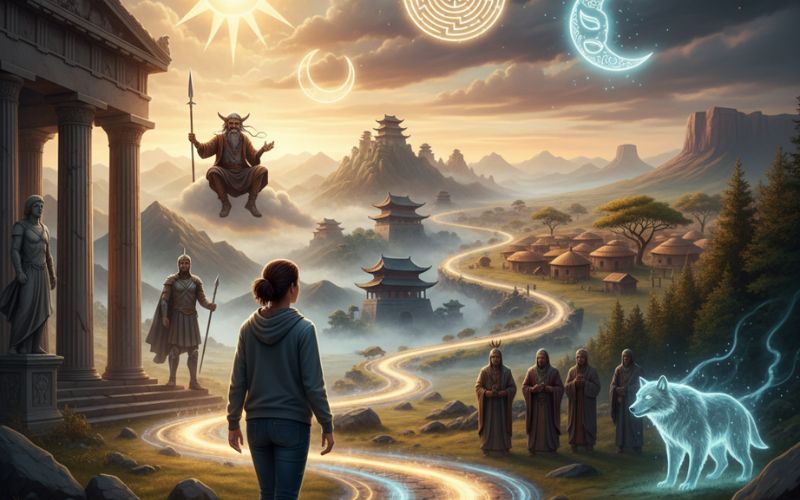
Ancient mythology offers more than stories of gods and heroes; it provides timeless insights into human nature, values, and resilience that remain deeply relevant today. These myths explore themes such as ambition, love, conflict, morality, and transformation, reflecting struggles that still shape modern life. By examining how ancient cultures explained the world and navigated uncertainty, mythology encourages reflection on purpose, responsibility, and balance. The symbolic journeys and lessons embedded in these narratives help modern society understand personal challenges, social dynamics, and ethical choices, reminding us that despite technological progress, the core human experience has changed very little.
Ancient mythology continues to speak to modern life because it was never just about gods, monsters, or supernatural events; it was a way for early societies to understand human behavior, moral conflict, and the uncertainties of existence. These stories explored ambition and humility, power and responsibility, love and loss, fate and free will, themes that remain central to contemporary life despite advances in technology and social structures. Mythological figures often faced trials that mirror modern struggles such as identity crises, ethical dilemmas, fear of failure, and the desire for meaning, making their journeys emotionally recognizable even today. Through symbolism and metaphor, mythology teaches the importance of balance, resilience, and self-awareness, showing how unchecked pride can lead to downfall or how perseverance can emerge from suffering. In a world driven by speed, consumption, and constant change, ancient myths offer a reflective pause, encouraging individuals to look inward, question their choices, and understand the deeper patterns shaping human experience. They remind modern society that progress does not erase the need for wisdom, and that the lessons learned thousands of years ago still provide guidance on how to live thoughtfully, responsibly, and with a sense of purpose.
Chinese Mythology and Harmony with Nature
Chinese mythological traditions developed over millennia, incorporating elements from various philosophical and religious systems including Taoism, Buddhism, and Confucianism. These stories often emphasized harmony between humans and nature, respect for ancestors, and the importance of maintaining cosmic balance.
The creation myth involving Pangu, who separated heaven and earth and whose body became various aspects of the natural world, established themes of unity between humanity and nature. The concept that mountains, rivers, and other natural features originated from a divine being fostered reverence for the natural world.
The Eight Immortals, each representing different conditions of life (poverty, wealth, age, youth, masculinity, femininity, etc.), featured in numerous stories demonstrating Taoist principles. Their adventures illustrated how enlightenment and immortality could be achieved through various paths, not restricted to any particular social station.
Dragons held particularly important positions in Chinese mythology, unlike their often-malevolent counterparts in Western traditions. Chinese dragons represented power, strength, and good fortune, associated with water, weather, and imperial authority. This positive portrayal influenced how Chinese culture viewed these mythical creatures and their symbolic meanings.
Indigenous and Native American Mythologies
Native American mythological traditions vary tremendously across different tribal groups, reflecting diverse environments, lifestyles, and cultural values. However, common themes often include deep connections to land, respect for animal spirits, and emphasis on maintaining balance with nature.
Creation stories across different tribes often featured animals as central characters and helpers in world creation. The Earth Diver myth, found in various forms across North America, typically involved an animal diving into primordial waters to retrieve mud that would become the earth. These stories honored animals as sacred beings rather than mere resources.
Trickster figures like Coyote, Raven, or Anansi appeared throughout indigenous mythologies, teaching lessons through their clever schemes and occasional failures. These characters existed in moral ambiguity, sometimes helping humanity and sometimes causing trouble, reflecting the complex nature of existence and the importance of learning from mistakes.
The emphasis on oral tradition in many indigenous cultures meant these stories served not just entertainment but crucial educational and cultural preservation functions. Elders passed down stories that contained practical knowledge about the environment, moral teachings, and cultural identity, ensuring continuity across generations.
African Mythological Traditions
Africa’s vast geographic and cultural diversity produced equally diverse mythological traditions. From West African Yoruba mythology to East African creation stories and Southern African folk tales, these traditions offered rich insights into different cultural values and worldviews.
Yoruba mythology, particularly influential due to its spread through the African diaspora, featured a complex pantheon of orishas, divine beings who controlled various aspects of nature and human experience. Olodumare, the supreme deity, delegated responsibilities to these orishas, creating a hierarchical divine structure that mirrored social organization.
The concept of ancestral spirits remained central to many African mythological and religious systems. Ancestors continued to influence the living world, requiring respect, remembrance, and proper rituals. This connection between past and present created continuity and emphasized the importance of honoring those who came before.
Anansi, the spider trickster from West African (particularly Akan) traditions, became one of Africa’s most widely known mythological figures. Stories of Anansi’s cleverness, greed, and schemes taught lessons about wisdom, the dangers of pride, and the importance of using intelligence to overcome challenges. These stories traveled with enslaved Africans to the Americas, where they evolved and merged with other traditions.

Mythological Themes in Modern Psychology
The twentieth century saw renewed interest in mythology through psychological lenses, particularly in the work of Carl Jung and Joseph Campbell. Jung’s concept of archetypes suggested that certain universal symbols and patterns appear across cultures because they emerge from the collective unconscious shared by all humanity.
Campbell’s comparative mythology work, especially “The Hero with a Thousand Faces,” identified common patterns in heroic myths across cultures. The monomyth or hero’s journey—involving departure, initiation, and return—appeared repeatedly in mythological traditions worldwide. This framework has influenced countless modern stories in film, literature, and other media.
Psychological interpretations view mythological figures and stories as representing internal psychological processes and universal human experiences. Gods and goddesses might symbolize different aspects of the psyche, while heroic journeys represent personal development and self-discovery. This approach makes ancient myths relevant to contemporary personal growth and therapy.
The Influence of Mythology on Art and Culture
Mythological themes have inspired artistic creation throughout human history, from ancient sculptures and paintings to Renaissance masterpieces and contemporary works. Artists have continually reimagined mythological scenes, finding new meanings and applications for ancient stories.
Literature has drawn extensively from mythological sources, whether through direct retellings or subtle incorporation of mythological themes and structures. Classical epics influenced later literary forms, while modern authors continue to mine mythology for inspiration, creating works that bridge ancient and contemporary sensibilities.
Popular culture enthusiastically embraces mythology, with countless films, television shows, video games, and comic books featuring gods, heroes, and monsters from various traditions. This popularization introduces mythological stories to new generations, though sometimes with significant alterations to the original narratives.
Conclusion
Ancient mythology continues to captivate and instruct modern audiences because these stories address fundamental aspects of human existence that transcend time and culture. The questions our ancestors grappled with—about meaning, mortality, morality, and our place in the cosmos—remain central to human experience today.
The rich diversity of mythological traditions worldwide demonstrates humanity’s creativity and our shared need for stories that help us understand ourselves and our world. Whether examining Greek tragedies, Norse apocalyptic visions, Hindu philosophical epics, or indigenous creation stories, we encounter reflections of universal human concerns expressed through culturally specific narratives. These ancient stories remain vital not as literal truths but as metaphorical explorations of timeless themes that continue to resonate with contemporary audiences seeking meaning, wisdom, and connection to something larger than themselves.