Understanding Technological Acceleration
What lies behind rapid tech growth? Machines and methods are shifting faster than ever, altering jobs, conversations, education, and entertainment. Not long ago, significant changes took ages to arrive; today, they often appear in a year or less. Life bends around these shifts – every corner remade by tools we barely knew last decade. New doors open while old ways crumble without warning.
A single leap forward often rests on what came before it, layer after layer stacking into something greater. Every few months, machines grow noticeably quicker, letting them tackle tasks once out of reach. Messages now cross continents in moments, reshaping conversations between distant places. Because systems link more smoothly, entirely new ways of learning, healing, playing, and buying emerge without fanfare.
Peering ahead into tech’s path lets people and groups get ready for what comes next – worlds away from how things are now. Figuring out exact turns is tough, yet spotting wide shifts means moving early instead of playing catch-up later. Moving with new tools opens doors others might miss. Staying stuck? That gap grows wider when everything else moves faster.
Artificial Intelligence: The Next Frontier
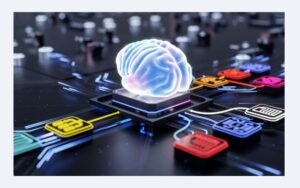
Out here in the digital wilds, something new is taking shape. Smarts once thought unique to people are showing up inside machines. Picture this: computers spotting faces, catching spoken words, shifting meaning across tongues, even weighing tough choices. Step by step, these skills weave into everyday tools – help tucked into phones, cars that steer themselves, software poking at medical puzzles, number crunching behind stock moves. What we’re seeing isn’t sci-fi – it’s unfolding right now, piece by quiet piece.
When machines start doing jobs people once did, it changes how we think about earning a living. Suddenly, making music or painting isn’t just for humans anymore – what does that say about who we are? Because computers now write stories and compose songs, the line between machine output and personal expression gets blurry. While new tools emerge, society must figure out ways to keep things fair and safe. Without careful choices today, tomorrow could bring bigger risks than expected.
Even with wild stories about super-smart robots taking over, today’s AI works only on focused jobs, nothing more. These systems do well in set areas yet miss basic understanding, awareness, or real thinking. Knowing what they can and cannot do draws a line between fact and fantasy tales. Real changes soon won’t arrive through self-aware computers. Instead, smarter specialized tools will quietly boost how people work in many fields.
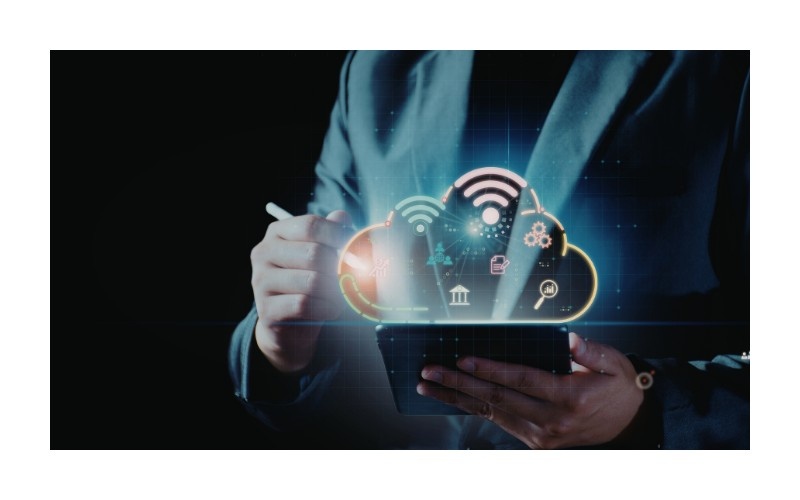
Floating data centers now shape how companies handle tech needs. Instead of buying boxes stacked in basements, firms tap into remote power through web links. Shifting wallet weight from big upfront buys to steady pay-as-you-go fees brings room to stretch, adapt, save – without old limits holding pace. What once required rooms full of gear runs lighter, faster, quieter.
One moment you’re typing on a laptop, the next your words show up on a phone – no effort needed. When edits happen here, they appear there just like that. Snap a picture using a handheld device, it quietly saves somewhere far away, without asking. Music, videos, stories – they come through airwaves powered by distant servers instead of sitting in drawers. Behind this quiet magic sit enormous rooms full of humming machines run by giants such as Amazon, Google, Microsoft. What one office might spend decades building, these groups offer daily because their reach stretches further than any single group ever could.
Putting data in the cloud means trusting outside companies with information that needs protection. Big cloud services often have stronger defenses than individual businesses can build on their own. Still, well-known leaks show no system is completely safe. Weighing advantages against dangers means looking closely at how data will be used, who manages it, and what rules apply.
Cloud Computing: Infrastructure Revolution
Out here in the world, computing moves with people now. Phones are everywhere, so folks assume they can connect anytime, get answers fast. Tiny though they are, these devices run circles around old desktops from not long back. Built-in tools like cameras, maps, payment options, health trackers show up standard. Think beyond portability – this gear sparks fresh ways to use where you are, stay linked nonstop, gather real-time readings. What once lived on desks now rides along, reshaping how things work.
Most tech design starts with phones these days because so many people rely only on them. A site or app needs to work smoothly when tapped with fingers on tiny displays. If it stumbles on mobile, folks tend to leave fast for something easier to use. Clunky layouts get dropped just as quickly.
Worn on wrists or tucked in ears, gadgets now move with people instead of staying put. Step by step, these tools blend closer to routine moments – less seen, yet always near. Imagine glasses showing data like weather or messages without pulling out a phone. That quiet presence brings ease, sure, but also makes some wonder: how much should machines shape what we see or do? Always connected might mean never fully present. New tech rides along, helpful maybe too much so.
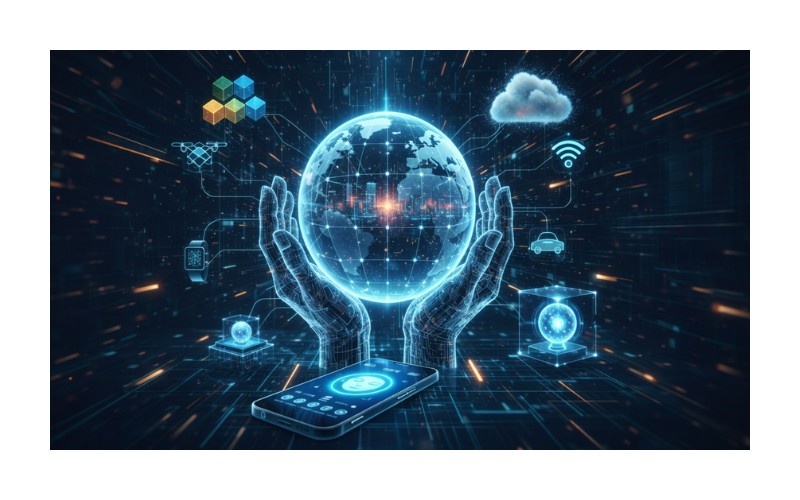
Mobile Technology: Computing Everywhere
Out in homes, gadgets now talk to each other online – lights adjust themselves when it gets dark. Temperature settings change before you wake up. Fitness bands on wrists count steps without asking. Factories hum along thanks to tiny monitors spotting machine wear early. Cars that drive themselves? They’re packed with sensors feeding data nonstop. Not just phones and laptops stay plugged in anymore; everything from fridges to traffic lights joins the web too.
Few things beat what happens when gadgets stop working alone. Learning patterns comes naturally to smart thermostats – they shift settings without being told, saving power along the way. Remote control is one thing; machines talking to each other? That changes more than distance. Factories packed with sensors feed information into systems that fine tune massive workflows. It’s never about a single gadget doing its job – it’s how they share insights and act together that matters most.
Internet of Things: Connected Devices
What started with digital money now reaches far beyond. Records live across many computers at once, so no single group stays in charge. Think of Bitcoin as just one example among many possibilities. Tracking goods from factory to customer becomes easier this way. Proving who you really are online gains new tools too. When certain things happen, agreements can carry themselves out. Hype around price swings grabs headlines often enough. The quiet work behind the scenes might matter more in time.
Some folks who like digital money dream of a world without big banks running everything. Others wonder if it actually fixes everyday issues or just helps gamblers and shady deals thrive. Reality probably sits somewhere in the middle – useful for certain tasks, sure, yet barely making waves where old-school finance still rules.
Not just about digital money, blockchain helps when people need clear records that nobody can alter secretly. From farm to shelf, goods move through a chain where every step shows up permanently. Fake items become harder to pass off as real because history stays visible. Instead of trusting big companies with private details, users might hold their own keys. Central servers full of data often get hacked – this shifts power elsewhere. What matters most long-term probably isn’t trading coins but rebuilding trust in how things are tracked.
Blockchain and Cryptocurrency
A different kind of computer takes shape – quantum machines use tiny physics rules to solve problems today’s computers simply can’t touch. Right now, these devices are still in early testing stages, with only a few real-world uses showing up so far. Yet they could one day change how we tackle secret codes, design new medicines, build advanced materials, or sort through complex choices. Big tech players and labs keep pushing forward, spending serious resources even though nobody knows exactly when these systems will outperform regular ones.
Conclusion
Fast-moving tech touches nearly everything today. Those who welcome shifts often find new paths forward, whereas others might feel left behind. Seeing where technology heads helps make sense of what comes next. People ready to adjust can grow instead of just getting by.
What we’ve looked at is only a slice of what’s reshaping how people live. One step forward often rests on what came before, opening doors for what follows next. Speed keeps rising, with little hint it might pause anytime soon. Expect shifts ahead that match the intensity of what’s already happened.
What gets built shapes how we live. Excitement about new tools must sit beside awareness of unintended consequences. Just because something is possible does not mean it ought to happen. Decisions need room for ethics, not just engineering. Privacy matters as much as performance. Access should not depend on wealth or location. Progress looks different when everyone can benefit. People come first, not platforms.