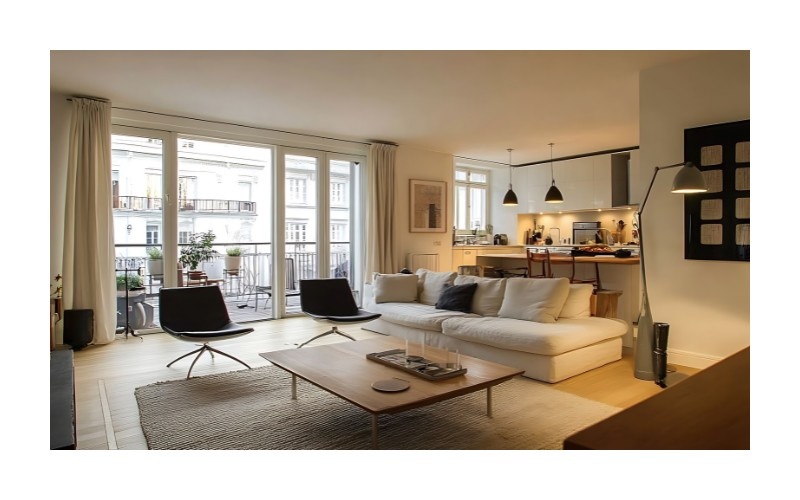
The places we spend time in shape how we feel every day – our energy, focus, maybe even happiness. Not just about looks, interior design deals with how a room works, how things fit together, and also how it hits you emotionally. Making spaces that work well and look good means matching creative ideas with real-life needs.
Understanding Space and Proportion
The core idea behind good room design is knowing how space works. Every area has its own traits – size, built-in details, sunlight flow – which shape what you can do and what to avoid. Go along with those traits instead of ignoring them; it leads to spaces that fit together smoothly.
Big items can swamp a tiny room, leaving no breathing space. On the flip side, a few furnishings in a vast area seem out of place, like they don’t belong. How things fit together depends on the room’s dimensions. To get it right, measure twice – then picture how it’ll look. Jumping in blind often leads to awkward setups.
How things relate in a space comes down to proportion. You’ll spot the golden ratio in nature, plus old-school buildings – it’s like math for good-looking layouts. Sticking to it exactly? Not needed. But knowing this stuff makes designs feel natural, somehow. Still, balance matters more than rules ever could.
Traffic flow shapes how folks get around a space. So furniture setups ought to guide movement smoothly instead of blocking paths in weird ways. Main walkways need enough room – usually no less than 36 inches – for easy walking.
Focal spots give spaces a place to begin looking. Big windows or fireplaces grab focus without trying. Where there’s no natural center, clever layout choices or bold paint can step in. A solid flow helps the eyes move around with ease.
Color Theory and Psychology
Color can change how a room feels, shaping both emotions and the sense of space. Knowing how colors work helps you pick shades that set the right tone or make areas feel bigger – or cozier – on purpose.
The color wheel arranges shades based on how they relate, showing which ones go well together. On opposite sides, complementary colors bring strong contrast if paired up. Next to one another, analogous tones form calm and unified looks. Every third hue makes a triad – these give even but lively mixes.
Reds, oranges, or yellows bring energy into a room, adding warmth that can also shrink the sense of space. Spaces meant for chatting or gathering work well with these tones. Blues, greens, sometimes purple, have a quieting effect – they help you unwind while opening up tight areas visually. That’s why they’re common choices for bedrooms or baths where chilling out matters most.
White, beige, or grey sets a calm base – perfect for bold touches to stand out. These shades stay useful longer since they fit most styles. When you feel like switching things up, just swap small details instead of redoing everything. They work well together no matter what’s next.
Light changes how we see colors. During the day, sunlight shows true tones, but indoor bulbs can shift them. Check your paint swatches at various times, using room light plus sun exposure – this way you won’t get shocked once walls are fully coated.
Lighting Design Principles
Lights can totally change a room, shaping how it works and feels. Good setups mix various fixtures that serve separate purposes – building depth and keeping things visually engaging.
Ambient light fills a room, helping people move safely and do everyday tasks. Fixtures on the ceiling, lights set into walls or ceilings, along with mounted lamps – these usually create that glow.
Task lighting shines a strong beam right where you need it. For instance, reading lights near seats give focused brightness when flipping pages. Kitchen counters get help from undershelf bulbs that cut shadows while chopping. In home workspaces, table-top fixtures spotlight paperwork or screens without glare.
Picture lights shine on frames, setting a mood piece by piece. Uplights lift brightness upward, shaping the feel of a space bit by bit.
Natural light feels better on your mood plus it just looks nicer. Use sheer curtains or adjustable blinds to let sunlight flow in easily – this opens up a room right away. Bounce more rays around by putting mirrors where they catch daylight instead of shadows. Paint walls in soft whites or pale tones so the whole space stays airy without feeling flat.
Dimmer switches give you options – light can shift depending on time, what you’re doing, or how you feel. For dinner get-togethers, low glow sets a cosy tone; in contrast, wiping down rooms needs harsh light so nothing’s missed.
Furniture Selection and Arrangement
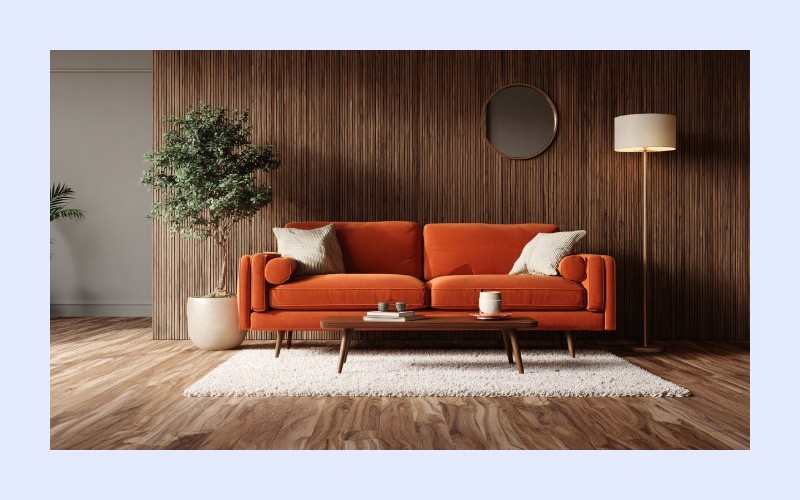
Furniture works for comfort, plus it looks good. Picking pieces means meeting daily needs but also showing your taste and fitting the room’s vibe.
Good furniture might cost more, yet it lasts way longer with a look that never feels outdated. Take sofas or beds – they get used nonstop, so they need solid build quality along with styles that don’t fade after a season.
Comfort shouldn’t take a backseat to looks. A good-looking chair might still feel off after just minutes of use, no matter how stylish it seems. Try out pieces first – especially seats or mattresses – or risk wasting money later.
Furniture that does more saves room in small places. Ottomans with storage give you a seat while hiding stuff away; meanwhile, couches turn into beds when visitors stay over. Tables that stretch out fit both daily meals and big gatherings. When life changes, having flexible options really helps.
How things are placed changes how they work and how they look. Talking spots work better when chairs or sofas are close enough to chat easily, yet not too near. Space around pieces keeps the room feeling open instead of tight. Moving through shouldn’t feel awkward or blocked.
Mixing different styles, time periods, and stuff gives a richer look – like things gathered slowly, not bought all at once. These unique combos work well if tied together, say by color or a common vibe from one decade.
Textile and Texture Integration
Fabrics add coziness, color, and texture – plus they’re useful every day. Picking them smartly boosts ease and shapes how a space feels.
Curtains drape windows, shaping light while keeping things private, also adding a splash of color or design. Instead of cotton, which works well in relaxed rooms, silk velvet brings a richer vibe. Hang them high to draw eyes up, making the space feel more open. Picking the right rods or tracks changes how they look altogether.
Rugs mark zones, bring coziness when you walk barefoot, yet also cut down noise where floors are stiff. Getting the size right makes a big difference – one that’s tiny looks lost, whereas one fitting well holds seating clusters together without effort. When it comes to lounges, at least the leading edges of key items rest on the rug, tying everything into place more naturally.
Cushions or throws let you add color, prints, maybe a fresh vibe – without spending much. Blend various feels, designs, even dimensions to keep things lively but tie it together using matching hues.
Picking couch fabric means mixing how it looks with what works. For busy rooms, go for tough materials that wipe clean easily. If you’ve got kids or animals around, darker shades or busier prints help hide spills and scuffs.
Texture adds depth to one-colour rooms. Mix silky with gritty, fluffy with firm – keeps things lively. Different feels catch your eye or touch without going overboard.
Layering various fabrics adds warmth plus depth. The couch could have a linen cover along with plush cushions made from velvet. Toss on a chunky knit blanket for extra comfort. Underfoot, there’s a thick wool rug grounding the whole setup. Every material brings its own feel into play.
Conclusion: Design as Self-Expression
How we set up our homes really shapes how we feel every day, affecting everything from our energy levels to how we connect with others or get things done. Putting time and care into making a space that works well – and feels good – brings real rewards, like feeling happier at home and more balanced overall.
Real homes aren’t like glossy spreads or Instagram shots – life happens here. Beauty matters, yet function comes first when making a space you can actually live in. Great rooms fit the people inside them, not some ideal from a magazine cover.
Personal style shifts as you go, so rooms shift too. Build with room to move – go neutral at the core so extras can swap in easily, pick sturdy items that never quit looking good, also stay cool about changing things up now and then. Spaces need to breathe, stretch, and transform right along with whoever lives there, acting more like real-life settings than frozen displays.