Fashion is one of those subjects that manages to be simultaneously deeply personal and intensely public. What you wear is one of the most immediate and powerful signals you send to the world about who you are, what you value, and how you want to be perceived — yet the fashion industry, with its relentless cycle of seasonal fashion trends, constantly shifting aesthetic movements, and algorithmically amplified fashion influencers, makes it increasingly difficult for individuals to hear their own instincts over the noise of what they are being told they should want to wear.
The result is a culture of dressing that is, for many people, defined more by anxiety than by joy. The anxiety of being out of trend. The anxiety of not owning the right pieces. The anxiety of being seen in something that has been quietly declared passé by the arbiters of style on social media. And underneath all of this anxiety is a profound irony—in an era of more fashion choices than any previous generation in human history has ever had access to, more people than ever feel like they have nothing to wear.
This blog is an invitation to step back from the noise and think about fashion differently. Not as a system of rules to be followed or trends to be chased, but as a genuinely powerful form of self-expression that, when approached with intention and self-awareness, can become one of the most enjoyable and confidence-building dimensions of daily life. Whether you are someone who has always loved clothes or someone who has always found the whole subject overwhelming, the ideas explored here are designed to help you dress better, spend smarter, and feel more like yourself every time you get dressed.
How Did Fast Fashion Change the Way the World Dresses — and at What Cost?
To understand the fashion landscape that exists today, it is essential to understand the phenomenon that has shaped it more profoundly than any designer, trend, or cultural movement of the past three decades — the rise of fast fashion. The fast fashion model, pioneered by a handful of global retail giants and subsequently adopted across the industry, transformed clothing from a considered purchase into a disposable commodity, with consequences for consumers, workers, and the environment that are still being fully reckoned with.
The mechanics of fast fashion are straightforward. By dramatically compressing the time between runway trend and retail availability — from the traditional industry cycle of two collections per year to a model that produces new styles on a near-weekly basis — fast fashion retailers created a constant stream of novelty that proved enormously compelling to consumers. Combined with prices that made purchasing almost frictionless, the result was a fundamental shift in consumer behavior. People began buying more clothes more frequently, wearing them fewer times, and discarding them more readily than any previous generation.
The environmental consequences of this shift have been staggering. The fashion industry is now one of the largest contributors to global water pollution, with textile dyeing processes responsible for a significant percentage of industrial water contamination worldwide. The volume of clothing ending up in landfills has grown to an almost incomprehensible scale—millions of tons of textile waste generated every year by a consumption cycle that was never designed with longevity or circularity in mind.
The human cost has been equally troubling. The economics of fast fashion depend on labor costs that are kept as low as possible through the globalization of supply chains to regions where worker protections are minimal and wages are extremely low. The garment workers who produce the clothes that fill fast fashion stores are among the most economically vulnerable workers in the global economy, and the conditions in which many of them work represent a moral dimension of fashion consumption that is impossible to ignore once it is understood.
Why Is Sustainable Fashion More Than Just a Trend — It Is a Fundamental Shift?
In response to the environmental and ethical consequences of fast fashion, a growing movement toward sustainable fashion has emerged over the past decade — one that has graduated from niche concern to mainstream conversation and is now reshaping both consumer behavior and industry practice at meaningful scale. Understanding what sustainable fashion actually means, and why it represents a genuinely important shift rather than simply the latest marketing buzzword, is essential for anyone thinking seriously about how they consume clothing.
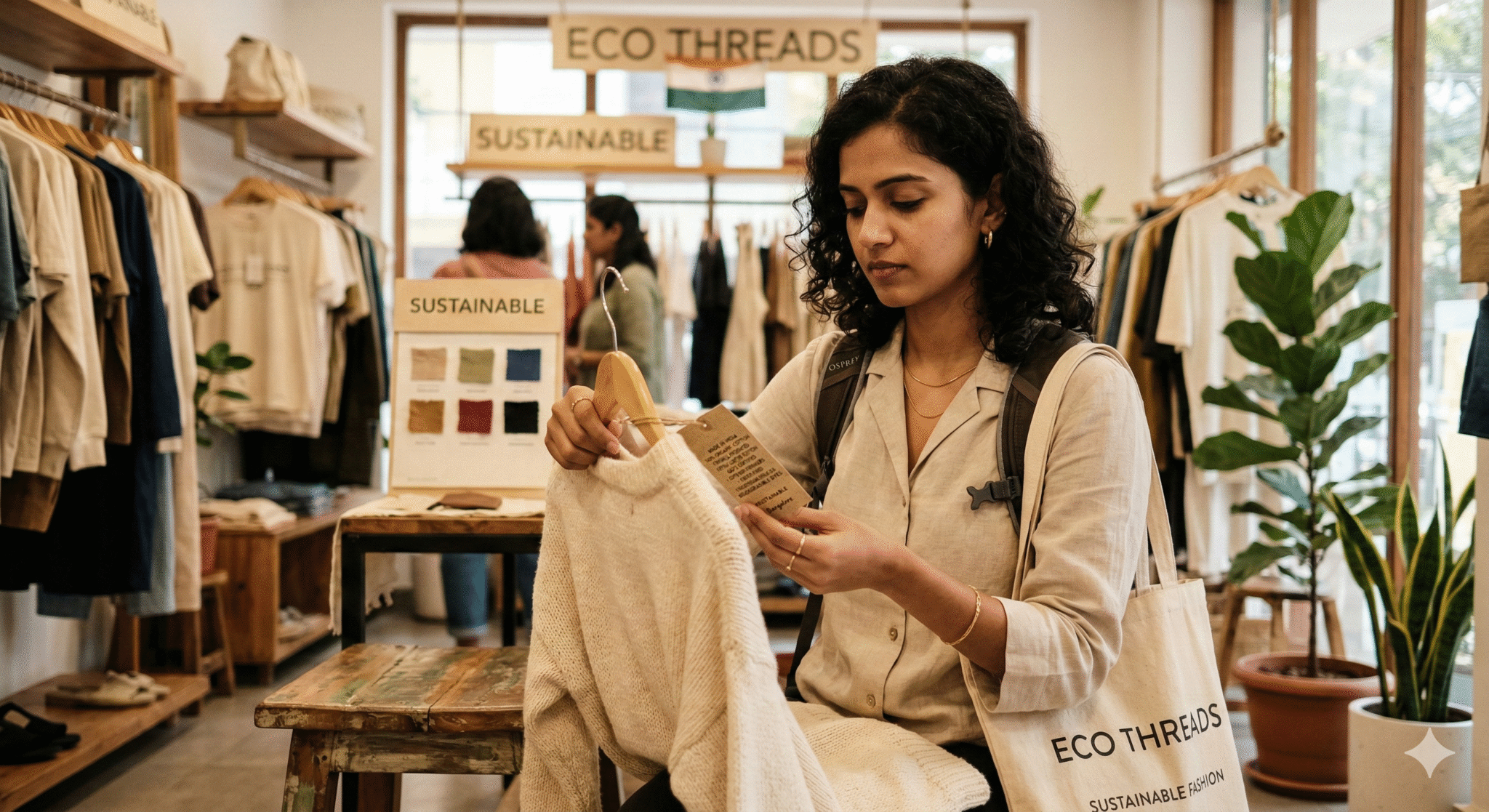
Sustainable fashion encompasses a broad range of practices and philosophies united by a common commitment to reducing the negative impacts of clothing production and consumption. At the production end, it involves the use of environmentally responsible materials—organic cotton, recycled fibers, natural dyes, and innovative new materials derived from agricultural waste or other sustainable sources. It involves manufacturing processes that minimize water consumption, chemical use, and carbon emissions. And it involves supply chain transparency that allows consumers to understand and verify the conditions under which their clothes are made.
At the consumption end, sustainable fashion means buying less and choosing better — investing in fewer, higher-quality pieces that are made to last rather than accumulating large quantities of cheap items that quickly degrade. It means caring for clothes properly to extend their useful life. It means embracing second-hand and vintage fashion as legitimate and even desirable alternatives to new purchases. And it means developing the kind of considered, intentional relationship with clothing that replaces the reflexive, trend-driven consumption that fast fashion has normalized.
The growth of the sustainable fashion market has been remarkable, driven by a generation of consumers who are genuinely concerned about the environmental and social impacts of their purchasing decisions and who are increasingly willing to pay a premium for products that align with their values. Brands that have authentically committed to sustainable practices—rather than simply claiming sustainability credentials they do not genuinely possess—are finding that this commitment resonates deeply with a growing and loyal customer base.
What Are the Wardrobe Essentials That Every Person Should Actually Own?
Regardless of personal style, budget, or aesthetic preference, there is a foundation of wardrobe essentials that serves virtually every person who builds their wardrobe around it. These are not trend-driven pieces that will feel dated in two seasons — they are timeless, versatile garments that provide the structural backbone of a functional, stylish wardrobe and that work with an enormous range of other pieces to create a virtually unlimited variety of outfits.
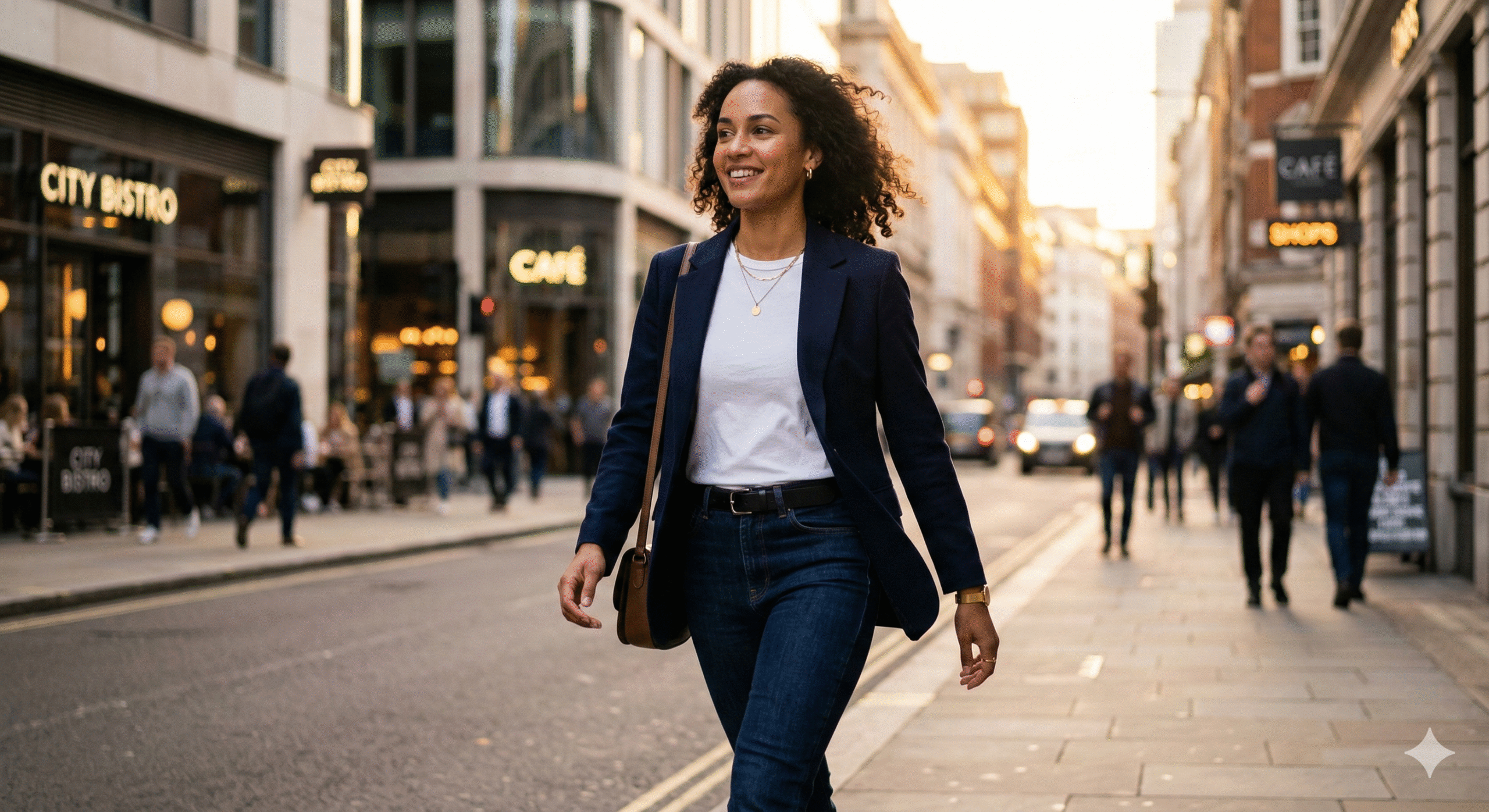
The well-fitted white shirt is perhaps the most universally essential piece in the wardrobe vocabulary. A truly well-fitted white shirt — whether crisp and structured for professional contexts or relaxed and slightly oversized for casual wear — is one of the most versatile pieces of clothing that exists. It works under suits, over swimwear, tucked into tailored trousers, knotted over summer dresses, and layered under knitwear. In terms of cost-per-wear over a lifetime of use, a high-quality white shirt may be the single best value investment in any wardrobe.
Dark, well-fitted denim is the next foundational piece. The right pair of jeans—in a cut that is flattering and a wash that is dark enough to dress up—can transition from casual to smart-casual with nothing more than a change of footwear and a tucked-in shirt. Good denim is also extraordinarily durable when cared for properly, making it one of the better investments in terms of longevity.
A well-cut blazer in a neutral color — navy, charcoal, camel, or black — is the piece that most reliably elevates any outfit. The transformative power of a good blazer is genuinely remarkable. It takes a simple jeans-and-tee combination and adds a dimension of polish and intentionality that changes the entire impression of the look. For both men’s fashion and women’s fashion contexts, the blazer is an irreplaceable versatility tool.
Quality footwear in two or three foundational styles — a clean white sneaker, a leather dress shoe or ankle boot, and a casual sandal or loafer — provides the footwear range needed to complete virtually any outfit appropriately. Shoes have a disproportionate impact on the overall impression of a look, and investing in quality over quantity in this category pays visible dividends.
How Does Building a Capsule Wardrobe Transform the Daily Experience of Getting Dressed?
The capsule wardrobe concept — a curated collection of a limited number of versatile, high-quality pieces that work together cohesively to create a wide range of outfits — has captured the imagination of everyone from minimalist fashion advocates to busy professionals looking to simplify their morning routine. But beyond the lifestyle appeal, there is a genuinely compelling practical and financial logic to the capsule wardrobe approach that makes it worth taking seriously regardless of personal aesthetic preferences.
The core principle of a capsule wardrobe is intentionality. Rather than accumulating clothing reactively — buying what is on sale, what is trending, or what catches the eye in a moment of retail impulse — a capsule wardrobe is built deliberately around a clear understanding of one’s actual lifestyle, the contexts one regularly dresses for, and the aesthetic that genuinely feels like an authentic expression of one’s personality. This intentionality produces a wardrobe where every piece has a purpose and a place and where the combination of pieces creates more outfit options than a much larger, less curated collection typically would.
The financial logic of the capsule wardrobe is equally compelling. The instinct of many people is that buying fewer, more expensive pieces is a less economical approach than buying many cheap ones. But when the calculation accounts for cost per wear—dividing the price of a garment by the number of times it is worn over its useful life—the economics reliably favor quality over quantity. A forty-dollar shirt worn twice before it loses its shape costs twenty dollars per wear. A two-hundred-dollar shirt worn two hundred times over five years costs one dollar per wear. The cheap shirt is twenty times more expensive in the only metric that actually matters.
The psychological benefits of a well-curated capsule wardrobe are perhaps less obviously quantifiable but are reported consistently by those who have made the transition from accumulation to curation. Decision fatigue — the mental energy consumed by making choices — is a real and significant drain on cognitive resources. A wardrobe where every piece works with every other piece, where every outfit option is a good one, and where the visual noise of unworn and ill-fitting clothes has been eliminated dramatically reduces the mental load of getting dressed and frees up cognitive energy for more important decisions.
What Do Street Style and Fashion Influencers Actually Tell Us About How Real People Want to Dress?
Street style photography and the broader culture of fashion influencers on social media have fundamentally changed the relationship between the fashion industry and its audience. Where fashion authority once flowed in a single direction — from designers and editors downward to consumers — the democratization of fashion publishing through social media has created a far more complex, multidirectional conversation in which the people who actually wear clothes have become as influential as those who design them.
At its best, street style documentation captures something genuinely valuable — the creative, personal, and often surprising ways that real people synthesize fashion influences, wardrobe constraints, cultural identities, and personal tastes into looks that are more interesting and more human than anything produced in a controlled studio environment. The streets of cities like Tokyo, Lagos, Copenhagen, New York, and Milan have always been laboratories of style experimentation, and street style photography has made these laboratories visible to a global audience that finds in them both inspiration and permission to experiment.
Conclusion
Fashion, at its best, is not about following trends or keeping up with what the industry has decided is relevant this season. It is about developing a genuine, personal relationship with the way you present yourself to the world—one that reflects who you are, serves the life you actually live, and brings you joy rather than anxiety every time you get dressed. Whether your approach is to build a tightly curated capsule wardrobe, to hunt for unique pieces in the world of vintage fashion, to embrace the quiet confidence of minimalist fashion, or to experiment freely with the full creative range that contemporary style offers, the principles of fit, intention, and authenticity will serve you better than any trend guide ever could.