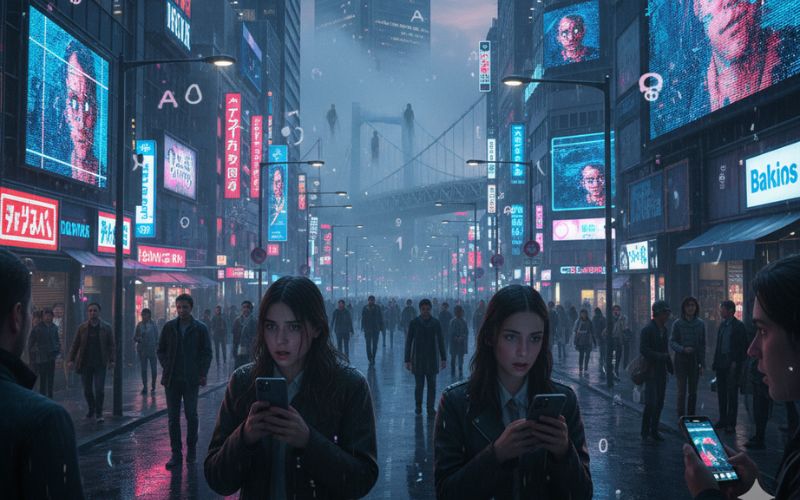
The human fascination with fear represents one of the most intriguing paradoxes in entertainment and storytelling. While survival instincts drive people to avoid danger and frightening situations in real life, horror fiction draws millions of readers and viewers who willingly subject themselves to terrifying narratives. This contradiction speaks to something fundamental in human psychology, a need to explore darkness, confront mortality, and experience intense emotions within the safety of fictional frameworks. Understanding what makes horror so compelling requires examining the psychological, cultural, and artistic dimensions that have sustained this genre for centuries.
Horror stories tap into primal fears that exist deep within human consciousness. These ancient anxieties about death, the unknown, loss of control, and threats to loved ones transcend cultural boundaries and historical periods. When horror narratives activate these fundamental fears, they create visceral responses that feel authentic despite the fictional context. This ability to trigger genuine emotional and physiological reactions distinguishes horror from other genres that might entertain intellectually but fail to provoke such intense physical responses.
The cathartic release that follows horror experiences provides significant psychological benefits. By confronting frightening scenarios in controlled environments, audiences process anxieties and fears that might otherwise remain suppressed. This emotional purging allows people to explore their darkest concerns without real-world consequences, providing a form of psychological rehearsal that some theorists suggest helps individuals cope with actual adversity. The relief that follows a terrifying story creates a emotional satisfaction that keeps audiences returning for more.
Horror narratives often serve as social commentary, using supernatural or extreme scenarios to explore contemporary concerns and societal issues. Throughout history, horror has reflected cultural anxieties about technology, social change, political instability, and moral decay. Zombie narratives explore fears about pandemic disease and societal collapse. Ghost stories often grapple with guilt and unresolved trauma. Monster tales frequently embody concerns about otherness and what society deems unacceptable. This metaphorical dimension gives horror depth beyond simple scares, allowing writers to address serious topics through fantastical frameworks.
The adrenaline rush associated with fear creates a unique form of entertainment that appeals to sensation-seekers. When the brain perceives threat, even fictional threat, it releases stress hormones that heighten awareness and create intense focus. This biochemical response produces a natural high that some people find addictive. Horror audiences essentially experience the excitement of danger without actual risk, making it an appealing form of extreme entertainment for those seeking intense experiences.
Community and shared experience amplify horror’s appeal, particularly in contemporary digital culture. Discussing frightening books or films with others who have experienced the same stories creates bonds through shared reactions. Horror fans develop communities around their favorite subgenres, authors, or franchises, finding connection through common interests. This social dimension transforms what might seem like a solitary activity into a communal experience that extends beyond the initial encounter with the horror material.
Artistic innovation flourishes within horror because the genre rewards creativity and originality. Writers and filmmakers constantly seek new ways to frighten audiences who grow desensitized to familiar tropes. This drive toward novelty has produced some of the most innovative storytelling techniques and visual styles in literature and cinema. Horror pushes boundaries, experiments with form, and challenges conventions in ways that influence broader artistic movements beyond the genre itself.
The escapist appeal of horror provides respite from everyday concerns by replacing mundane worries with extraordinary terrors. When immersed in a horror narrative, audiences temporarily forget about work stress, relationship problems, or financial concerns, consumed instead by immediate fictional threats. This displacement offers mental relief, making horror an effective stress management tool despite seemingly adding more fear to people’s lives. The controlled nature of fictional fear makes it paradoxically relaxing compared to uncontrollable real-world anxieties.
How Have Classic Horror Archetypes Evolved in Modern Storytelling?
Horror literature and cinema have developed a rich vocabulary of monsters, scenarios, and narrative patterns over centuries of storytelling. These classic archetypes, from vampires and werewolves to haunted houses and demonic possession, form the foundation of the genre. However, contemporary horror creators rarely simply repeat these traditional elements unchanged. Instead, modern storytelling continually reinvents and subverts classic horror archetypes, reflecting evolving cultural concerns while maintaining the core elements that make these archetypes psychologically resonant.
The vampire has undergone perhaps the most dramatic transformation of any horror archetype. Originally representing aristocratic predation and sexual corruption in works like Dracula, vampires have evolved through countless iterations. Modern vampire narratives range from romantic protagonists struggling with their nature to metaphors for addiction or viral infection. This flexibility demonstrates how archetypal monsters can adapt to reflect changing societal concerns while retaining core elements like immortality, predation, and the boundary between life and death that make vampires psychologically compelling.
Zombie narratives have exploded in popularity, evolving from Haitian folklore and Cold War anxieties into versatile metaphors for contemporary fears. Modern zombie stories explore themes of pandemic disease, environmental collapse, consumer culture, and societal breakdown. The mindless horde serves as a blank slate onto which creators project current anxieties about losing individuality, facing overwhelming threats, or watching civilization crumble. This adaptability explains why zombie narratives dominate contemporary horror across multiple media formats.
Ghost stories have shifted from Victorian spiritualism and gothic atmospherics toward psychological horror that blurs lines between supernatural and mental illness. Contemporary ghost narratives often leave ambiguity about whether hauntings represent actual spirits or manifestations of trauma, guilt, or deteriorating mental states. This uncertainty reflects modern skepticism toward supernatural explanations while maintaining the emotional power of ghost stories to explore grief, regret, and the persistence of the past.
The haunted house archetype has evolved beyond simple scary locations into complex metaphors for dysfunctional families, traumatic histories, and psychological imprisonment. Modern haunted house narratives often reveal that the true horror stems not from supernatural forces but from human cruelty, abuse, or collective denial. The house itself becomes a character representing generational trauma, buried secrets, or the impossibility of escaping the past. This psychological depth transforms the haunted house from a setting into a symbol.
Werewolf stories have moved beyond simple transformation tales to explore themes of dual nature, loss of control, and suppressed impulses. Contemporary werewolf narratives often frame lycanthropy as metaphor for addiction, mental illness, or the struggle between civilization and primal instincts. The transformation represents not just physical change but psychological fracture, making werewolf stories vehicles for exploring identity, self-control, and the beast within every person.
Demon possession narratives have expanded from religious frameworks to encompass broader explorations of identity, autonomy, and the fragility of self. Modern possession stories often leave ambiguous whether demonic forces actually exist or whether possession represents dissociative disorders, collective hysteria, or psychological manipulation. This uncertainty reflects declining religious certainty while maintaining the horror of losing control over one’s own body and mind.
The mad scientist archetype has evolved from warnings about scientific hubris into more nuanced explorations of ethics, responsibility, and the unintended consequences of technological advancement. Contemporary horror featuring science gone wrong often focuses less on individual megalomaniacs and more on systemic failures, corporate irresponsibility, or the collective hubris of technological society. This shift reflects anxieties about artificial intelligence, genetic engineering, and other emerging technologies that raise profound ethical questions.
Why Do Psychological Horror Stories Often Prove More Disturbing Than Explicit Gore?
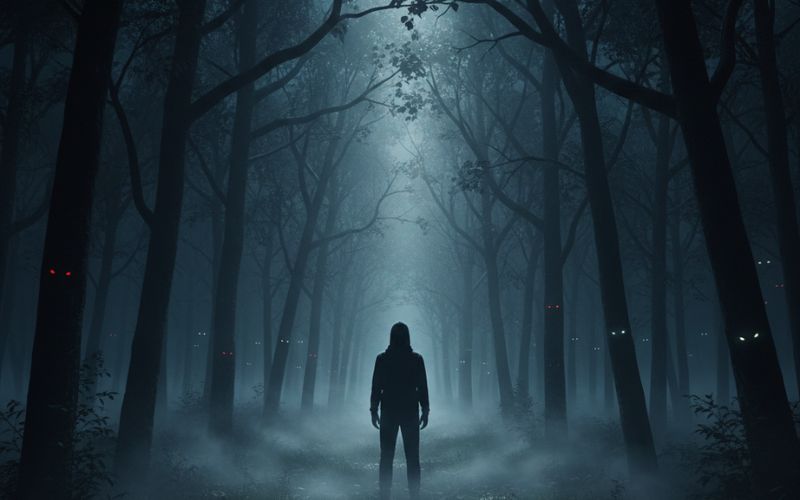
The human imagination possesses frightening power, capable of conjuring terrors more disturbing than anything explicitly shown. Psychological horror exploits this capacity by suggesting rather than showing, implying rather than depicting, and leaving space for audiences to fill with their own fears. This approach often proves more effective than graphic violence because it engages viewers as active participants in creating horror rather than passive consumers of shocking imagery. Understanding why suggestion often frightens more effectively than explicit content reveals important insights about fear and imagination.
Ambiguity amplifies horror by preventing the mind from achieving closure or categorization. When threats remain undefined, the imagination races to fill gaps, often generating scenarios more personally frightening than any specific depiction could achieve. Different audience members will imagine different horrors based on their individual fears, making ambiguous psychological horror more universally effective than explicit scenarios that might disturb some viewers while leaving others unmoved.
Anticipation of horror often proves more frightening than the horror itself. The dread that builds before something terrible happens creates sustained tension that explicit violence releases but cannot maintain. Psychological horror masters the art of prolonged anticipation, drawing out the approach of something terrible until the tension becomes almost unbearable. This technique recognizes that sustained dread affects audiences more profoundly than brief shocks, however intense.
Violating psychological safety and certainty creates deep unease that persists long after stories end. When horror undermines assumptions about reality, identity, or the reliability of perception, it shakes fundamental beliefs about the world. This existential disorientation proves more disturbing than physical threats because it attacks the conceptual frameworks people use to make sense of experience. Psychological horror often leaves audiences questioning what was real, whether they can trust their own senses, and whether reality itself might be fundamentally unreliable.
Empathetic identification with characters experiencing psychological disintegration creates profound discomfort. When audiences connect with characters losing their sanity, they vicariously experience that loss of control and coherence. This forced empathy makes psychological horror personal in ways that physical violence to characters does not. Watching someone’s mind fragment feels more intimate and disturbing than watching physical harm because it threatens the very essence of personhood.
The subtlety of psychological horror allows it to bypass conscious defenses that audiences erect against explicit content. Gore and violence trigger immediate psychological shields that create distance between viewer and content. Psychological horror operates more insidiously, working beneath conscious awareness to create unease that audience members might not immediately recognize. This subtle approach embeds itself more deeply in consciousness because it never triggers the defensive mechanisms that protect against obvious threats.
Real-world plausibility enhances psychological horror in ways impossible for supernatural or explicitly violent scenarios. When horror emerges from realistic psychological conditions, relationship dynamics, or social situations, it feels more immediately threatening. Audiences can imagine themselves in psychologically horrifying scenarios more easily than in situations involving monsters or extreme violence, making psychological horror’s threats feel more immediate and personal.
The lasting impact of psychological horror exceeds that of explicit violence because it plants seeds of doubt and unease that grow over time. Graphic violence creates immediate visceral reactions that fade relatively quickly. Psychological horror often takes time to fully manifest its disturbing implications, with audiences realizing hours or days later just how unsettling certain elements were. This delayed reaction creates lingering discomfort that makes psychological horror more memorable and impactful than shock value alone could achieve.
Conclusion
The horror genre stands as one of humanity’s oldest and most persistent forms of storytelling, evolving across media and centuries while maintaining its ability to frighten and fascinate audiences. From ancient ghost stories told around fires to modern psychological thrillers exploring digital-age anxieties, horror adapts to reflect contemporary concerns while addressing timeless fears about death, darkness, and the unknown. This remarkable durability testifies to horror’s essential role in human culture as a means of processing fear, exploring taboos, and confronting uncomfortable truths about existence and human nature.
As horror continues evolving, it will undoubtedly find new ways to terrify audiences while maintaining the core elements that have made it compelling across generations. Emerging technologies, changing social dynamics, and new cultural anxieties will inspire fresh horror narratives that speak to future audiences while building on centuries of genre tradition. The fundamental human relationship with fear ensures that horror will remain vital, pushing boundaries, challenging audiences, and providing the dark mirrors in which society examines its deepest anxieties and most profound questions about existence.