The Art of Interior Design – Creating Spaces That Inspire
Interior designers change in ways that surprise most people. Beauty mixes with purpose when rooms take shape through smart choices. Tradition lives inside walls while new habits form around them. Culture shapes what feels right in a home across India. Daily life gains ease when the layout follows intention. Vision guides each decision behind the scenes. Comfort grows where details align without effort. Thoughtful steps lead to places that feel complete.
Understanding Spatial Dynamics and Flow
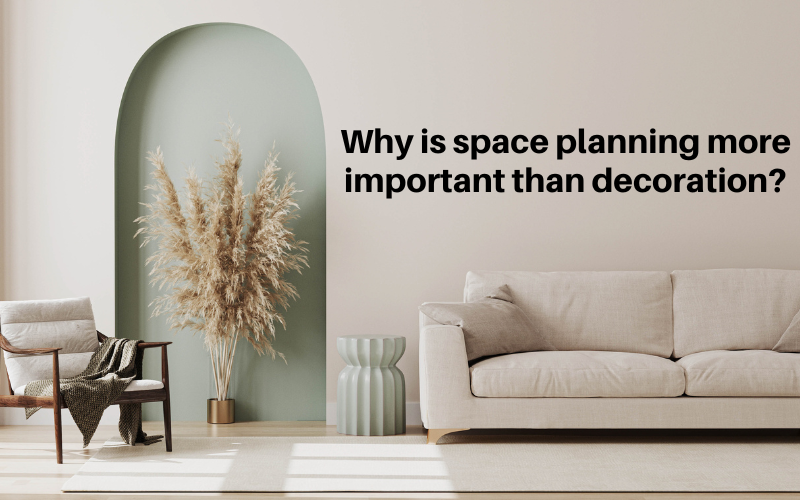
What makes a space work often comes down to how people move within it. Rooms speak without words, shaped by where things are placed – chairs, lamps, art – and how they invite or block motion. In big cities across India, walls between the kitchen, table, and lounge vanish on purpose. These open layouts mix daily routines with guest moments, blending private calm with shared energy. Movement flows more easily when boundaries fade.
Imagine how a room feels when colors blend smoothly into the next. Light follows texture, guiding sight without sudden stops. Materials echo across spaces, making small places seem calm. In tight city homes, each inch works harder than before. Flow isn’t just about walking – it’s how your gaze moves, too.
When laying things out, think hard about how people move through rooms. Main walkways need to stay clear so moving around stays simple, especially once everything is set up and people are present. Side paths offer extra options for travel, helping avoid logjams when folks gather or daily life gets hectic. Arrange furniture in a way that follows those natural flows – doing so cuts down on clumsy detours while making areas seem more open than they really are.
Picture a big room split into spots that feel different, yet flow together. One part could have chairs turned inward, sitting on a thick rug, making it cozy for talk. Above another section, lights hang low over a table where people eat. The ceiling might shift slightly, drawing your eye upward in one corner. Floor coverings set boundaries without walls getting in the way. Even without barriers, you know where one spot ends and another begins. Each piece of furniture points toward its role. Light alters how space feels underfoot. Movement guides purpose – no labels needed.
Color Psychology and Cultural Significance
Out of ancient roots grow today’s choices – color shapes how a room feels, how it breathes. Saffron glows not just bright but alive with meaning, tied to devotion and fire. Tranquillity finds form in rich blue, green like shadowed forests near rivers. Meaning shifts across time yet stays present when old symbols meet new spaces. Design now listens closely, blending lineage with what feels right here, now.
Color psychology shapes how people feel and act, thanks to insights from psychological research. Terracotta, deep orange, or sunny yellow can spark talk and hunger – common choices where meals happen, or friends gather. Spaces meant for rest or focus often lean on pale grey, quiet blue, or gentle green instead. These calm options help slow the mind, aiding sleep or steady work. Designers who get this tend to build rooms that match what people need to do inside them.
How colors sit together shapes whether a room feels calm or charged, based on choices and amounts used. One shade in different tones brings quiet elegance, linking everything without bold shifts. Colors next to each other on the wheel blend smoothly, offering soft differences that still feel connected. Opposites from the color circle spark liveliness, though too much can crowd the senses if not managed well.
Start with soft whites or warm beiges – they set a quiet stage. Greys slip in smoothly, bringing calm without shouting. Taupes add depth, like shadows under morning light. These shades hold space for brighter touches later on. A red pillow might appear one season, vanish the next. Art changes often; rugs shift position. Texture keeps things interesting – rough linen here, smooth wool there. Tone-on-tone doesn’t mean dull – it means breathing room. Personality shows up slowly, piece by piece. Bold paint stays optional. The mood stays open, never locked down. Surfaces talk quietly instead of screaming for attention.
Color choices shift from place to place in India, shaping how buildings and interiors come together. In the south, deep gem-like shades appear often, drawn from temple art and local traditions. Up north, designs carry echoes of Mughal elegance – think detailed artwork paired with dignified hues. Along the western coast, traces of Portuguese presence linger through bright tile work and sun-soaked earthy tones. These details matter when crafting spaces that connect deeply with people, avoiding flat or copied looks.
Material Selection and Textural Richness
What you touch matters just as much as what you see, even if it’s overlooked. Wood, stone, or cotton under your fingers adds a grounded calm, linking rooms to nature and handmade care. Instead of those, manufactured options provide steady performance plus new ways to build. Each choice shapes comfort in its own way.
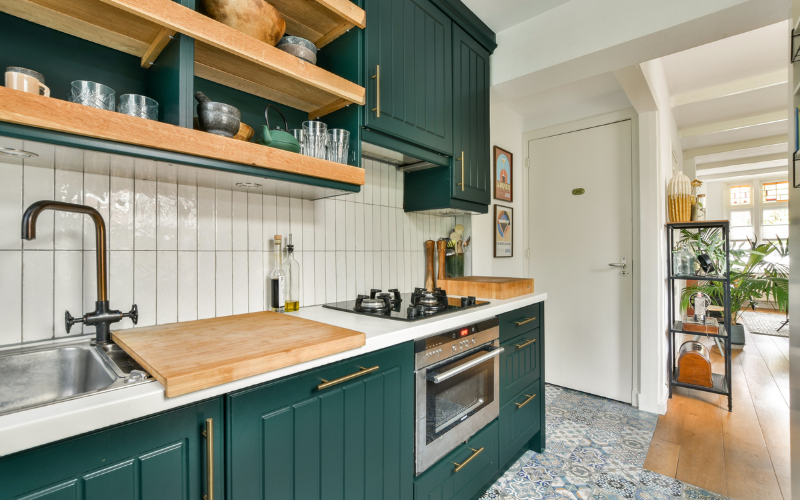
Material selection plays a bigger role now in how Indian homes and offices look. A shiny floor might sit next to a wall of raw stone. Metal details, clean and sharp, stand out when placed near wood that feels cozy and aged. Fabrics that feel gentle come into play where walls or beams stay solid and cold. This mix keeps things from feeling flat. Spaces gain quiet complexity through these pairings.
Even after years go by, wood keeps winning hearts because it feels alive in your hand. Teak stands strong against rain and wear, making pieces last longer outdoors. What gives sheesham its charm is the deep swirls running through thick planks built to endure daily use. Bamboo grows fast, returns quickly when harvested, and fits modern rooms with clean lines. Some choose oil to bring out the hidden rivers inside the timber’s surface. Paint covers everything evenly, lets you tie the piece into a room however you like.
Built to last, stone adds a touch of richness inside homes when used on floors, kitchen surfaces, walls, or as accents. Marbles bring timeless beauty that works just as well in old-style rooms as in modern ones – yet they need protection to keep spills from soaking in. Tough by nature, granite stands up to heavy use and comes in many shades and swirls. From nearby quarries, materials such as Jaisalmer’s golden sandstone or Kota stone give spaces a distinct local feel, help communities thrive economically, and lower the burden on the environment caused by long-distance hauling.
A touch of brass can feel inviting, its golden glow tied to old Indian craftsmanship, changing softly as it weathers. Fixtures made of stainless steel stand out by being sleek yet tough, needing little care while fitting clean-lined spaces. Copper shifts hue with age, surprising the eye, plus it resists microbes naturally. Metal shows up in furniture bones, trim work, and small decor – each piece shaping a room’s mood. Iron feels raw and grounded, favoured more now in open city apartments, chasing an unfinished vibe.
Fabric brings gentle touches, lively hues, sudden patterns, yet manages sunlight, soaks up noise, and keeps spaces private. Cotton, linen, even silk let air move through, feel familiar after years pass. Blends made in labs fight stains, hold dye well, and need less effort to clean. Drapes lay over thin curtains, cushions mixed by material, blankets tossed on for cosy moments – all these build layers, shift easily between seasons.
Conclusion
Most people think decorating is just about looks. Yet it does far more than please the eye. A room can shape how you feel each morning. Beauty matters, but so does how things work. Some designs carry old traditions forward. Others find fresh ways to solve problems. What feels right today might shift tomorrow. Flexibility often counts as much as style. Personal meaning sneaks into corners, colors, and textures. Good interiors grow with the lives they hold.
Fresh ideas often come from how space feels, not just how it looks. Because light shifts through the day, choices about windows or lamps shape mood in quiet ways. Colors do more than decorate – they can slow down time inside a room when picked with care. Materials wear differently under touch, sunlight, and footsteps – each one tells a story over the years. When planning changes, thinking ahead about waste or energy adds depth to every choice made. Homes grow better when thought flows like water, around habits, needs, and surprises.
Change shapes how we see rooms over time. When life shifts – kids grow, hobbies shift, tastes alter – the walls around us ought to follow. Spaces breathe easier when they move with the moments lived inside. Renewing details, big or small, ties a home tighter to its people. What feels right today might need adjusting tomorrow. Living means evolving, so why shouldn’t floors, colors, and layouts? A house stays alive by subtle changes that mirror daily rhythms.