Can AI Tools Really Make Everyday Life Easier?
Artificial intelligence has become part of everyday life faster than many people expected. A few years ago, AI was mostly discussed in relation to research, large companies, and futuristic technology. Today, people use AI tools to write emails, plan trips, create images, summarize documents, learn new subjects, and organize their daily tasks.
Some people use AI openly. Others use it without even realizing it. Search engines, mobile applications, recommendation systems, and online shopping platforms already use forms of artificial intelligence to understand behavior and suggest information. The question is no longer whether artificial intelligence is becoming important. The more useful question is whether it is genuinely making life easier.
The answer depends on how thoughtfully it is used.
AI Is Becoming More Personal
Older software usually waited for a direct command. A person opened an application, selected an option, and received a result. Modern AI systems are becoming more conversational. They can understand context, respond to follow-up questions, and adapt their answers based on the information provided. Someone might ask an AI tool to turn rough notes into a meeting agenda. Another person may use it to create a weekly meal plan from ingredients already available at home. A student may ask for a difficult topic to be explained in simpler language.
These uses can save time. They can also make certain tasks feel less intimidating. However, the quality of the answer usually depends on the quality of the request. If the instruction is unclear, the result may be generic or unsuitable. People who use AI effectively often provide details about the audience, purpose, tone, and desired outcome. This does not require advanced technical knowledge. It simply requires clear thinking.
Productivity Is Not the Same as Doing More
Many people associate personal productivity with completing as many tasks as possible. But doing more does not always mean achieving more. A person can spend an entire day answering messages, organizing files, and adjusting productivity applications without making progress on important work. Adding more tools can sometimes create more confusion.
AI can help reduce repetitive work, but it should support priorities rather than create new distractions. For example, an AI tool may help organize notes, prepare a first draft, or summarize a long report. This gives the user more time to review, plan, and make decisions. The tool becomes useful because it removes unnecessary effort. Using AI simply because it is available may not create the same benefit.
Human Judgement Still Matters
AI tools can create answers that sound confident and professional. That does not mean every answer is correct. An AI system may misunderstand a question, use outdated information, or present an incomplete explanation. It may also make a mistake while summarizing a document or interpreting a set of instructions.
This is why human review remains essential. A generated email may use the wrong tone for a customer. A summary may leave out an important detail. A suggested answer may appear convincing but contain an error that changes the meaning completely.
People should treat AI output as a starting point. It can help produce ideas, but the final responsibility remains with the person using the information. This is especially important in areas such as healthcare, finance, law, and personal safety. In such situations, convenience should not replace professional guidance.
How AI Is Changing the Future of Work
The future of work is one of the biggest conversations surrounding artificial intelligence. Employees are wondering which tasks will become automated and which skills will remain valuable. It is difficult to predict every change, but some patterns are already becoming visible. Repetitive tasks may increasingly be handled by software, allowing people to focus on problem-solving, communication, and decision-making.
This does not mean every job will disappear. Many roles involve judgment, empathy, responsibility, and human interaction. These qualities are difficult to replace with technology. A customer service representative, for example, may use AI to locate information quickly, but the ability to understand a frustrated customer and respond with patience remains deeply human.
Similarly, a manager may use AI to analyze reports, but deciding how to support a team requires context, experience, and emotional intelligence. The most valuable workers in the future may be those who know how to work alongside technology while continuing to develop their human skills.
AI and Creativity
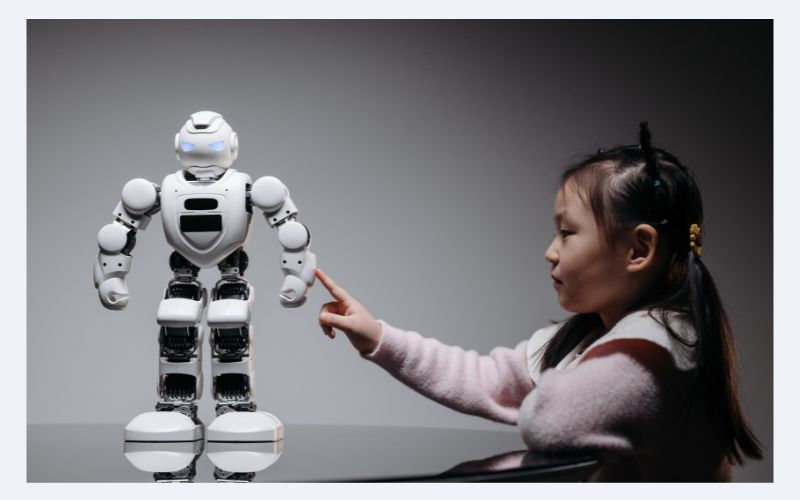
Artificial intelligence has also changed how people think about creativity. AI tools can generate images, music, stories, designs, and ideas within seconds. This can help people experiment and overcome the fear of a blank page.
A writer may use AI to explore different headlines. A designer may ask for several visual directions before developing a final concept. A student may use it to brainstorm ideas for a presentation. However, creativity is more than producing something quickly. It involves personal experience, emotion, observation, and meaning. A machine can create an image of a rainy street, but it does not experience the memory associated with rain. It can write about happiness, but it does not feel happiness. Human creativity gives work its deeper connection. The most interesting creative results may come from people who use AI for exploration but add their own perspective, judgment, and emotional understanding.
Developing Better Digital Habits
As technology becomes more powerful, people need to become more careful about how they use it. Good digital habits include reviewing app permissions, protecting passwords, and being selective about the information shared online. Users should also avoid entering confidential business information, personal documents, or sensitive details into unknown tools.
Online privacy is not only a concern for large organizations. Ordinary users also need to think about how their data is collected, stored, and used. It is equally important to create boundaries around technology. An AI assistant that is always available can become another source of interruption. Notifications, recommendations, and automated messages can make it difficult to concentrate. Technology should support a person’s priorities, not control their attention.
The Risk of Depending Too Much on AI
AI can be extremely useful, but overdependence creates risks. If people use AI for every small decision, they may gradually become less confident in their own judgement. Students may stop practicing important skills. Employees may accept answers without checking them. Writers may lose their individual voice if they rely too heavily on generated content. There is also the risk of receiving information that sounds correct but is not.
The best approach is to use AI as an assistant rather than an authority. It can help with preparation, organization, and exploration, but people should continue to think critically and make independent decisions.
The Importance of Balance
Technology often develops faster than people can adapt. New tools appear with exciting promises, and it is easy to feel pressured to use all of them. But not every task needs artificial intelligence. Sometimes writing something manually helps a person think more clearly. Sometimes speaking directly with someone is more effective than sending an automated message. Sometimes taking a break from technology is more valuable than finding another application. The goal should not be to automate every part of life. The goal should be to use technology where it creates genuine value.
What Could Happen Next?
The next stage of AI may involve tools that complete several connected tasks. Instead of simply answering one question, an AI system may help organize a schedule, compare information, prepare documents, and remind a person about follow-up actions. This could make everyday work more convenient, but it will also raise important questions.
Who checks the information? Who is responsible when an automated decision is wrong? How much access should an AI system have to personal data? Should every decision be automated simply because it can be? These questions deserve careful thought. Progress is useful, but responsible progress is more important.
Conclusion
Artificial intelligence is neither a perfect solution nor an automatic threat. It is a powerful tool whose impact depends on how people choose to use it. AI tools can reduce repetitive work, support learning, improve personal productivity, and encourage creative exploration. At the same time, they can create problems when people stop checking information, ignore online privacy, or depend on automation too heavily. The future will not be shaped only by the companies developing new technology. It will also be shaped by ordinary users deciding what to automate, what to question, and what should remain genuinely human.