Digital minimalism, the idea of using technology only when it genuinely adds value to your life, isn’t a new concept. Yet in 2026, it’s making a strong comeback. The reason isn’t that people suddenly dislike technology. It’s that they’re becoming more aware of how much control technology has over their daily lives and want to change that.
The Burnout Behind the Trend
For years, we were told that being more connected would make life easier. More apps promised greater productivity. More notifications meant we’d never miss an important update. Social media offered endless opportunities to stay connected with friends, family, and colleagues.
In reality, many people have experienced something very different.
Constant notifications interrupt focus throughout the day. Hours disappear while scrolling through short videos and endless feeds. Conversations become quick reactions instead of meaningful interactions. By the end of the day, many people feel mentally exhausted without feeling like they’ve accomplished much.
This growing sense of digital fatigue is one of the biggest reasons digital minimalism is gaining attention again. People aren’t necessarily using technology more than before—they’re simply becoming more aware of how it’s affecting their attention, productivity, and overall well-being.
Digital Minimalism Doesn’t Mean Giving Up Technology
One of the biggest misconceptions about digital minimalism is that it requires deleting every social media account or abandoning smartphones altogether.
That’s rarely the case.
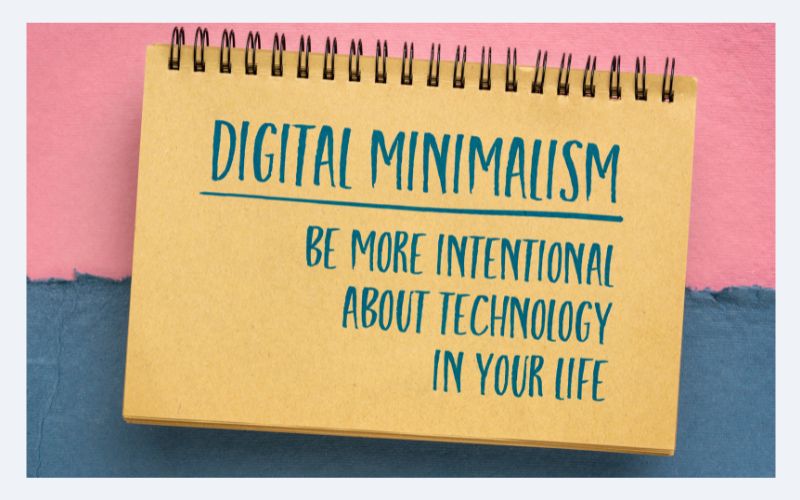
Instead, the focus is on being intentional. Technology becomes a tool rather than something that constantly demands attention.
For many people, this means turning off non-essential notifications so their phone isn’t interrupting every few minutes. Others prefer checking emails and messages at specific times instead of responding instantly. Some remove apps they no longer use, keeping only those that genuinely support their work, hobbies, or relationships.
Many are also making a conscious effort to bring back offline activities that slowly disappeared over time. Reading a physical book, going for a walk without headphones, spending uninterrupted time with family, or simply enjoying moments without reaching for a phone are becoming valuable habits again.
The goal isn’t to disconnect from the digital world. It’s to create a healthier relationship with it.
Why This Time Feels Different
We’ve seen digital detox trends before. They usually encouraged people to stay away from their devices for a weekend or a week before returning to their old habits.
This movement feels different.
Instead of treating technology as the problem, digital minimalism focuses on designing better habits. People aren’t looking for temporary breaks—they’re creating long-term routines that help technology fit into their lives instead of controlling them.
There’s also an important generational shift happening. Many young adults today grew up with smartphones and social media as a normal part of life. Now that they’re older, they’re beginning to recognize both the benefits and the downsides of constant connectivity.
Rather than feeling nostalgic for a time before smartphones, they’re asking a practical question: How can technology serve me instead of distracting me?
That change in perspective is making digital minimalism feel more sustainable than previous trends.
Taking Back Control
Technology isn’t going anywhere. Artificial intelligence, wearable devices, smart homes, and connected workplaces will continue becoming a bigger part of everyday life.
That makes intentional technology use even more important.
Digital minimalism isn’t about rejecting innovation or avoiding social media. It’s about deciding what deserves your attention and what doesn’t. It’s about choosing quality over quantity, meaningful interactions over endless scrolling, and focused work over constant interruptions.
In many ways, the growing interest in digital minimalism reflects a broader desire for balance. People want technology to simplify their lives—not complicate them.
Whether this becomes a lasting lifestyle or simply another trend remains to be seen. But the conversation keeps returning because it addresses something many people feel every day.
The devices in our pockets are incredibly powerful, but they should work for us—not the other way around. And perhaps that’s the real reason digital minimalism is making a comeback in 2026.