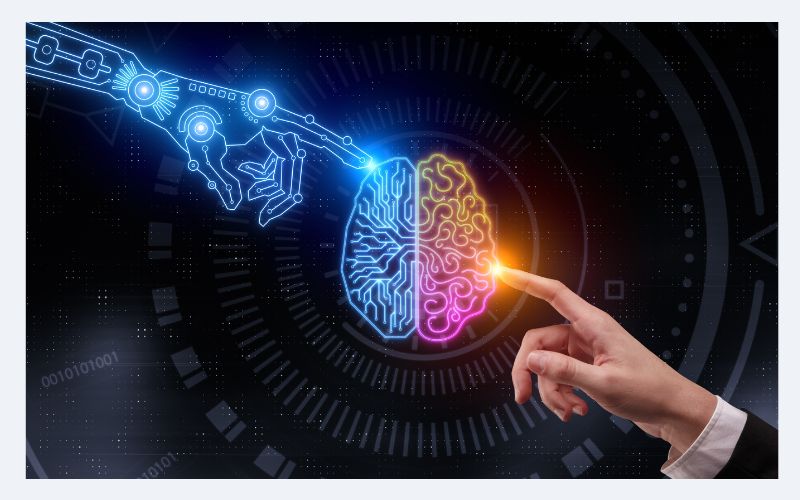
The rapid growth of artificial intelligence over the last few years has led to major innovations. Companies are investing heavily in AI-powered solutions, while individuals are embracing intelligent tools to improve productivity and efficiency. As AI capabilities continue to expand, understanding its impact and future potential has become more important than ever.
Why Is AI More Important Than Ever in 2026?
Artificial intelligence has become one of the most influential technologies of the decade because of its ability to process massive amounts of information, recognize patterns, and generate solutions in real time. Businesses are increasingly relying on AI to reduce operational costs, improve customer experiences, and gain a competitive advantage.
Unlike earlier generations of automation, modern AI systems are capable of learning from data and adapting to changing conditions. This flexibility has made AI an essential component in industries ranging from healthcare and finance to entertainment and manufacturing.
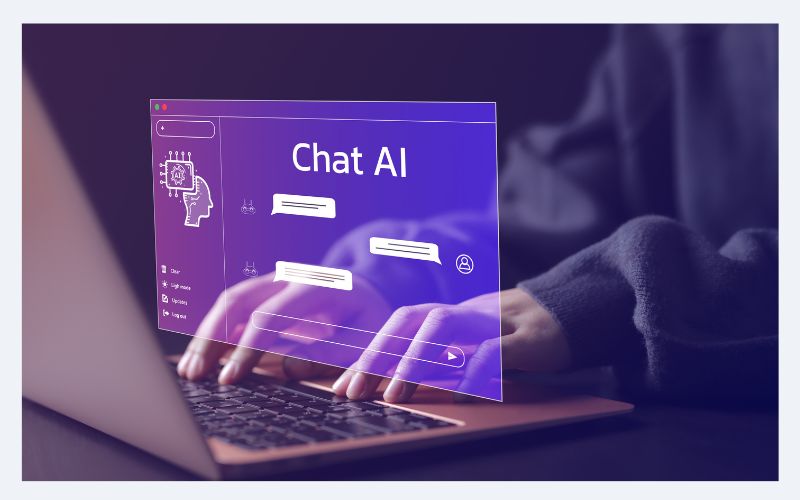
The rise of generative AI has also transformed the relationship between humans and machines. Instead of simply following commands, AI tools are now capable of writing content, designing graphics, generating code, creating videos, and assisting with strategic decision-making.
How Is AI Changing Businesses?
Businesses in 2026 are leveraging AI to optimize operations and enhance productivity. Customer service departments use AI chatbots and virtual assistants to provide instant support around the clock. Marketing teams utilize AI-powered analytics to understand consumer behavior and create personalized campaigns.
Human resource departments are employing AI tools to streamline recruitment processes and identify suitable candidates. Financial institutions use AI for fraud detection, risk assessment, and predictive analytics. Manufacturers are implementing intelligent automation systems to improve efficiency and reduce downtime.
Small businesses are also benefiting from affordable AI solutions. Tasks that previously required large teams can now be managed with intelligent software, allowing startups and entrepreneurs to compete more effectively in the digital marketplace.
How Is AI Revolutionizing Healthcare?
Healthcare is among the sectors experiencing the greatest transformation through artificial intelligence. AI-powered diagnostic systems assist doctors in detecting diseases with greater accuracy and speed. Medical imaging technologies can identify abnormalities that might otherwise go unnoticed.
Personalized treatment plans are becoming more common as AI analyzes patient histories and genetic information. Virtual health assistants help patients monitor symptoms and manage chronic conditions. Hospitals are using predictive analytics to optimize resource allocation and improve patient care.
Drug discovery has also accelerated with the help of AI. Researchers can analyze millions of chemical compounds and biological interactions, significantly reducing the time required to develop new medicines. This advancement has the potential to revolutionize the pharmaceutical industry and improve global healthcare outcomes.
What Role Does AI Play in Education?
Education in 2026 has become more personalized and accessible thanks to artificial intelligence. AI-powered learning platforms adapt to individual student needs and learning styles. These systems provide customized lessons, real-time feedback, and interactive experiences that enhance understanding.
Teachers use AI tools to automate administrative tasks, allowing them to focus more on student engagement and instruction. Language translation technologies are breaking down barriers and making educational resources available to learners worldwide.
Virtual tutors powered by AI provide assistance outside the classroom, enabling students to learn at their own pace. As educational institutions continue integrating intelligent technologies, learning experiences are becoming more efficient and inclusive.
How Is Generative AI Influencing Creativity?
Generative AI has emerged as one of the most exciting developments in recent years. Writers, designers, filmmakers, musicians, and content creators are using AI tools to accelerate creative processes and explore new ideas.
AI-generated images, videos, music compositions, and written content are becoming increasingly sophisticated. Rather than replacing human creativity, these technologies are acting as collaborative tools that enhance artistic expression.
Businesses are using generative AI to create marketing materials, advertisements, and social media content more efficiently. Independent creators are leveraging AI to produce professional-quality work without requiring extensive resources. This democratization of creativity is opening opportunities for individuals and organizations alike.
Can AI Improve Workplace Productivity?
Productivity is one of the biggest advantages offered by artificial intelligence in 2026. AI assistants help employees manage schedules, summarize meetings, analyze data, and automate repetitive tasks. Professionals across industries are using intelligent tools to save time and focus on higher-value activities.
Software developers utilize AI coding assistants to generate code, identify errors, and improve efficiency. Accountants use AI systems for financial analysis and reporting. Legal professionals rely on AI to review documents and conduct research more quickly.
Remote work environments have also benefited from AI-powered collaboration tools that improve communication and project management. As organizations continue embracing digital transformation, AI is becoming an indispensable productivity partner.
How Is AI Impacting Cybersecurity?
As cyber threats become increasingly sophisticated, artificial intelligence is playing a critical role in strengthening digital security. AI systems can monitor networks continuously, detect suspicious activities, and respond to threats in real time.
Machine learning algorithms analyze patterns to identify anomalies and prevent cyberattacks before significant damage occurs. Financial institutions, healthcare providers, and government agencies rely heavily on AI-driven security measures to protect sensitive information.
However, cybercriminals are also utilizing AI technologies to develop more advanced attacks. This ongoing battle between defensive and offensive AI capabilities highlights the importance of continuous innovation and responsible security practices.
What Challenges Does AI Face in 2026?
Despite its remarkable progress, artificial intelligence presents several challenges. Ethical concerns surrounding privacy, misinformation, and algorithmic bias remain significant issues. Ensuring transparency and accountability in AI systems has become a priority for governments and organizations worldwide.
Job displacement is another topic receiving considerable attention. While AI creates new opportunities and industries, automation may alter traditional roles and require workers to acquire new skills. Reskilling and continuous education are becoming essential for adapting to changing workplace demands.
Data privacy concerns continue to grow as AI systems rely heavily on vast amounts of information. Balancing innovation with responsible data usage is critical for maintaining public trust.
Regulation also poses challenges. Policymakers are working to establish frameworks that encourage innovation while protecting individuals and society from potential risks associated with artificial intelligence.
What Industries Are Experiencing the Biggest AI Transformation?
Several industries are witnessing rapid AI-driven change. The financial sector uses intelligent algorithms for investment analysis and fraud prevention. Retail businesses employ AI to personalize shopping experiences and optimize inventory management.
Transportation companies are investing in autonomous technologies and predictive maintenance systems. Agriculture is benefiting from AI-powered precision farming techniques that improve crop yields and reduce waste.
The entertainment industry is utilizing AI for content recommendations, visual effects, and interactive experiences. Real estate professionals rely on AI to analyze market trends and evaluate property values. Nearly every sector is finding innovative ways to harness artificial intelligence for growth and efficiency.
What Does the Future of AI Look Like?
The future of artificial intelligence appears incredibly promising. Researchers are developing increasingly powerful models capable of reasoning, understanding context, and collaborating with humans more naturally. Advances in robotics, quantum computing, and multimodal AI systems are expected to unlock new possibilities.
Human-AI collaboration will likely become more common across professions. Intelligent assistants may evolve into highly personalized digital companions capable of supporting individuals in both personal and professional activities.
Sustainability is another area where AI is expected to play a vital role. Smart energy systems, climate modeling, and resource optimization technologies could contribute to solving some of the world’s most pressing environmental challenges.
As AI continues evolving, responsible development and ethical considerations will remain essential to ensuring that technological progress benefits humanity as a whole.
Conclusion
Artificial intelligence in 2026 represents far more than a technological trend. It has become a transformative force influencing industries, economies, and everyday life. From healthcare and education to creativity and cybersecurity, AI is driving innovation and opening new opportunities across the globe.
While challenges related to ethics, privacy, and workforce adaptation persist, the potential benefits of AI are immense. Businesses and individuals who embrace intelligent technologies responsibly are likely to thrive in the rapidly changing digital landscape. As the capabilities of AI continue to expand, one thing is clear: artificial intelligence is shaping the future, and its impact will only become more profound in the years ahead.